Showing posts with label alternative health. Show all posts

Thursday, December 8, 2011

Beautiful and Useful Ornamental Plants + Their Many Uses and Health Benefits

Some people plant for hobby - for fun, for satisfaction and for beautification. Lots of people plant for profit or for business. But most of us plant ornamental plants for the mere purpose of beautifying our gardens – our surrounding. At this present economic situation of the world, we should be wise. Let’s grow beautiful ornamental plants that provide us beauty and at the same time provide us other economic importance like medicine, foods and other household uses.

1.) Common Chicory (Cichorium intybus)


Common Chicory of Europe and North America is a beautiful ornamental plant with blue, lavender, or occasionally white flowers. Other common names include Blue Sailors, Succory and Coffeeweed.

Important uses:
  • Leaves and roots are baked, ground and used as a coffee substitute and additive
  • Leaf and flower are use as treatment for everyday ailments.
  • Use variously as a tonic and appetite stimulant
  • Use as a treatment for gallstone, gastro-enteritis and sinus problems
  • Use for cuts and bruises
  • Leaves are eaten raw as a salad
  • It is used to add color and zest to salads.
  • Leaves may be served stuffed, baked, boiled, cut and cooked in a milk sauce
  • The roots are baked, ground, and used as a coffee substitute and additive
  • It is used as a sweetener in the food industry
  • It is sometimes added to yogurts as a prebiotic.
  • Some beer brewers use roasted chicory to add flavor to their stouts.
  • Flowers used as a treatment for erectile dysfunction
  • Chicory is use as purgatives for farm animals

2.) Cornflower (Centaurea cyanus)


Cornflower is also known for a variety of common names such as Bachelor's Button, Basket Flower, Bluebottle, Boutonniere Flower and Hurtsickle. This small annual flowering plant is endemic to Europe.

Important uses:
  • Cornflower is grown as an ornamental plant in gardens.
  • It is also grown for the cutflower industry in the U.S. for use by florists.
  • It is also occasionally used as a culinary ornament.
  • Cornflowers have been used and prized historically for their blue pigment.
  • It is often used as an ingredient in some tea blends and herbal teas.
  • A decoction of cornflower is effective in treating conjunctivitis and as a wash for tired eyes.

3.) Common Hollyhock (Alcea rosea)


The Common Hollyhock is a plant that bears beautiful flowers. This ornamental plant was imported into Europe from China in the 16th century.

Important uses:
  • It is an emollient and laxative.
  • It is used to control inflammation.
  • It is also used to stop bedwetting
  • It is also used as a mouthwash in cases of bleeding gums.

4.) Meadow Garlic (Allium canadense)
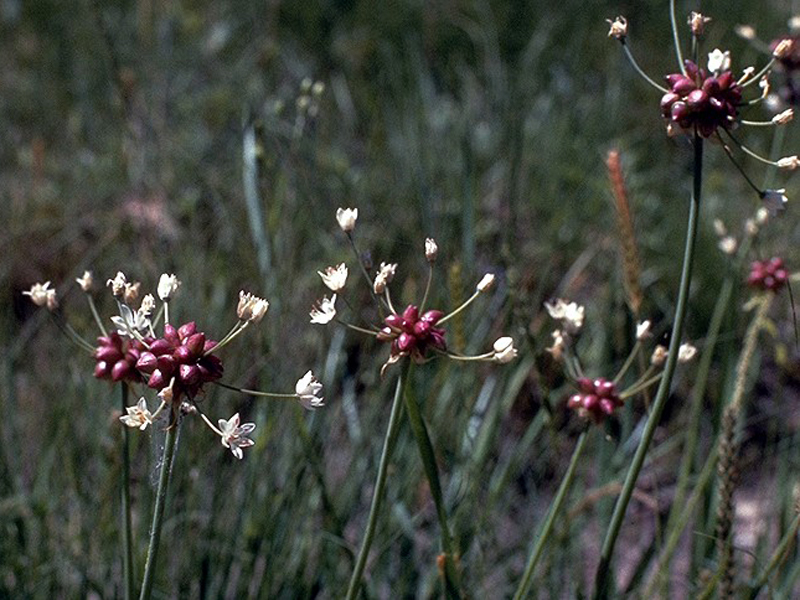

Meadow Garlic is a perennial plant endemic to North America with edible bulb and unique-looking flowers. The plant also has strong, onion-like odor. It is also known as Wild Onion, Tree Onion, Wild Garlic, and Canadian Garlic. Meadow garlic is edible.

Important uses:
  • The juice of the Meadow Garlic is used as a moth repellent
  • The whole plant is said to repel insects and moles.
  • The plant can be rubbed on exposed parts of the body to protect them from the bites of scorpions and lizards.

5.) Granny's Nightcap (Aquilegia vulgaris)


Granny’ Nightcap is a plant with beautiful flowers. It is also commonly known as European Columbine. This species is endemic to Europe and can grow up to 1.2 meters in height.

Important uses:
  • Dried crushed seeds, made into a dusting powder, will kill lice very effectively.
  • It is recommended to ease the pains of childbirth. It is used to promote perspiration to help in childbirth
  • It is used as an astringent and diuretic.
  • It had been used in the past to cure diarrhea.
  • It is also used to alleviate rheumatic pains.

Hope you enjoyed this. Thank you so much!

See also


Beautiful and Useful Ornamental Plants + Their Many Uses and Health Benefits

Some people plant for hobby - for fun, for satisfaction and for beautification. Lots of people plant for profit or for business. But most of us plant ornamental plants for the mere purpose of beautifying our gardens – our surrounding. At this present economic situation of the world, we should be wise. Let’s grow beautiful ornamental plants that provide us beauty and at the same time provide us other economic importance like medicine, foods and other household uses.

1.) Common Chicory (Cichorium intybus)


Common Chicory of Europe and North America is a beautiful ornamental plant with blue, lavender, or occasionally white flowers. Other common names include Blue Sailors, Succory and Coffeeweed.

Important uses:
  • Leaves and roots are baked, ground and used as a coffee substitute and additive
  • Leaf and flower are use as treatment for everyday ailments.
  • Use variously as a tonic and appetite stimulant
  • Use as a treatment for gallstone, gastro-enteritis and sinus problems
  • Use for cuts and bruises
  • Leaves are eaten raw as a salad
  • It is used to add color and zest to salads.
  • Leaves may be served stuffed, baked, boiled, cut and cooked in a milk sauce
  • The roots are baked, ground, and used as a coffee substitute and additive
  • It is used as a sweetener in the food industry
  • It is sometimes added to yogurts as a prebiotic.
  • Some beer brewers use roasted chicory to add flavor to their stouts.
  • Flowers used as a treatment for erectile dysfunction
  • Chicory is use as purgatives for farm animals

2.) Cornflower (Centaurea cyanus)


Cornflower is also known for a variety of common names such as Bachelor's Button, Basket Flower, Bluebottle, Boutonniere Flower and Hurtsickle. This small annual flowering plant is endemic to Europe.

Important uses:
  • Cornflower is grown as an ornamental plant in gardens.
  • It is also grown for the cutflower industry in the U.S. for use by florists.
  • It is also occasionally used as a culinary ornament.
  • Cornflowers have been used and prized historically for their blue pigment.
  • It is often used as an ingredient in some tea blends and herbal teas.
  • A decoction of cornflower is effective in treating conjunctivitis and as a wash for tired eyes.

3.) Common Hollyhock (Alcea rosea)


The Common Hollyhock is a plant that bears beautiful flowers. This ornamental plant was imported into Europe from China in the 16th century.

Important uses:
  • It is an emollient and laxative.
  • It is used to control inflammation.
  • It is also used to stop bedwetting
  • It is also used as a mouthwash in cases of bleeding gums.

4.) Meadow Garlic (Allium canadense)


Meadow Garlic is a perennial plant endemic to North America with edible bulb and unique-looking flowers. The plant also has strong, onion-like odor. It is also known as Wild Onion, Tree Onion, Wild Garlic, and Canadian Garlic. Meadow garlic is edible.

Important uses:
  • The juice of the Meadow Garlic is used as a moth repellent
  • The whole plant is said to repel insects and moles.
  • The plant can be rubbed on exposed parts of the body to protect them from the bites of scorpions and lizards.

5.) Granny's Nightcap (Aquilegia vulgaris)


Granny’ Nightcap is a plant with beautiful flowers. It is also commonly known as European Columbine. This species is endemic to Europe and can grow up to 1.2 meters in height.

Important uses:
  • Dried crushed seeds, made into a dusting powder, will kill lice very effectively.
  • It is recommended to ease the pains of childbirth. It is used to promote perspiration to help in childbirth
  • It is used as an astringent and diuretic.
  • It had been used in the past to cure diarrhea.
  • It is also used to alleviate rheumatic pains.

Hope you enjoyed this. Thank you so much!

See also


Sunday, July 17, 2011

The Many Uses and Health Benefits of Rose Hips


Have you seen a Rose with a fruit? The fruit of a Rose plant is called Rose Hip or Rose Haw. These fruits are typically red to orange in color and begin to form in spring, and ripen in late summer through autumn.


The Many Usages of Rose Hips
  • Rose Hips are used as Herbal Tea, Jam, Jelly, Soup, Beverages, Pies, Bread, Wine and Marmalade
  • Some Rose species are grown as ornamentals and for the value of their hips.
  • Rose Hips are popular healthy treat for pets like guinea pigs and chinchillas providing the needed vitamin C.
  • Dried and powdered forms of Rose Hips are fed to horses at a maximum of 1 tablespoon per day to improve coat condition and new hoof growth.
  • Itching powder are manufactured from the fine hairs found inside Rose Hips.
  • Dried Rosehips are also sold for primitive crafts and home fragrance purposes.
  • Rosehips are scented with essential oils and can be used as a potpourri room air freshener.
  • Rose hips were used in many food preparations by the indigenous peoples of the Americas.
  • Rose hips can be used to make Palinka, a traditional Hungarian alcoholic beverage.
  • Rose hips are commonly used as a herbal tea, often blended with hibiscus and as an oil.
  • Rosehip Soup, "nyponsoppa," is especially popular in Sweden.
  • Rhodomel, a type of mead, is made with Rosehips.


Medicinal and Health Benefits:
  • Rose Hips are particularly high in vitamin C content, one of the richest plant sources available.
  • Rose Hips also contain some vitamin A and B, essential fatty acids and antioxidant flavonoids.
  • Roe Hips helps in treating rheumatoid arthritis.
  • Rose Hips are used for colds and influenza.

See also

The Many Uses and Health Benefits of Rose Hips


Have you seen a Rose with a fruit? The fruit of a Rose plant is called Rose Hip or Rose Haw. These fruits are typically red to orange in color and begin to form in spring, and ripen in late summer through autumn.


The Many Usages of Rose Hips
  • Rose Hips are used as Herbal Tea, Jam, Jelly, Soup, Beverages, Pies, Bread, Wine and Marmalade
  • Some Rose species are grown as ornamentals and for the value of their hips.
  • Rose Hips are popular healthy treat for pets like guinea pigs and chinchillas providing the needed vitamin C.
  • Dried and powdered forms of Rose Hips are fed to horses at a maximum of 1 tablespoon per day to improve coat condition and new hoof growth.
  • Itching powder are manufactured from the fine hairs found inside Rose Hips.
  • Dried Rosehips are also sold for primitive crafts and home fragrance purposes.
  • Rosehips are scented with essential oils and can be used as a potpourri room air freshener.
  • Rose hips were used in many food preparations by the indigenous peoples of the Americas.
  • Rose hips can be used to make Palinka, a traditional Hungarian alcoholic beverage.
  • Rose hips are commonly used as a herbal tea, often blended with hibiscus and as an oil.
  • Rosehip Soup, "nyponsoppa," is especially popular in Sweden.
  • Rhodomel, a type of mead, is made with Rosehips.


Medicinal and Health Benefits:
  • Rose Hips are particularly high in vitamin C content, one of the richest plant sources available.
  • Rose Hips also contain some vitamin A and B, essential fatty acids and antioxidant flavonoids.
  • Roe Hips helps in treating rheumatoid arthritis.
  • Rose Hips are used for colds and influenza.

See also

Thursday, November 11, 2010

Seven Deadly Reasons Why You Should Stop Smoking

Seven Deadly Reasons Why You Should Stop Smoking

There’s Nothing More Excruciating Than Slow Death


Here are the Seven Deadly Chemical Content of Cigarettes

1.) A cigarette contains Benzene - a solvent used in fuel and chemical manufacturing

Benzene is an organic chemical compound which is colorless and highly flammable liquid used as an additive in gasoline, synthetic rubber, plastics solvent and dyes.

2.) A cigarette contains Formaldehyde - a very poisonous liquid that is used to preserve dead bodies


Formaldehyde, systematically named methanal, is a toxic organic compound which is hazardous to human health.

3.) A cigarette contains Ammonia - a chemical found in cleaning fluids

Ammonia is a compound of hydrogen and nitrogen with pungent odor. This colorless gas, which is both helpful and hazardous, is used in commercial cleaning products.

4.) A cigarette contains Hydrogen cyanide - a poison used as a fumigant to kill ants. It is also used to manufacture plastics, dyes, and pesticides.

Historically, Hydrogen cyanide is commonly known as Prussic acid. This colorless compound is extremely poisonous that boils slightly above room temperature at 26 °C. The volatile compound has been used as inhalation rodenticide and human poison.

5.) A cigarette contains Cadmium - an extremely poisonous and radioactive metal found in batteries.

Cadmium, a soft, bluish-white metal, is a chemical element used for a long time as a pigment and for corrosion resistant plating on steel. Cadmium compounds were used to stabilize plastic. Their usages today are limited to nickel-cadmium batteries and cadmium telluride solar panels due to its high toxicity.

6.) A cigarette contains Acetone - a corrosive liquid solvent found in nail polish remover.

Acetone, a colorless, flammable, mobile liquid, is an organic compound which is
the simplest example of the ketones. Familiar household uses of acetone include paint thinner and sanitary cleaner, aside from nail polish remover. Acetone is not considered hazardous to humans but they can still cause health risks one way or the other.

7.) Arsenic - an ingredient used in the manufacture of rat poison.


Arsenic is a notoriously poisonous chemical element used as herbicides, insecticides, pesticides and in various alloys.

See also


Seven Deadly Reasons Why You Should Stop Smoking

Seven Deadly Reasons Why You Should Stop Smoking

There’s Nothing More Excruciating Than Slow Death


Here are the Seven Deadly Chemical Content of Cigarettes

1.) A cigarette contains Benzene - a solvent used in fuel and chemical manufacturing

Benzene is an organic chemical compound which is colorless and highly flammable liquid used as an additive in gasoline, synthetic rubber, plastics solvent and dyes.

2.) A cigarette contains Formaldehyde - a very poisonous liquid that is used to preserve dead bodies


Formaldehyde, systematically named methanal, is a toxic organic compound which is hazardous to human health.

3.) A cigarette contains Ammonia - a chemical found in cleaning fluids

Ammonia is a compound of hydrogen and nitrogen with pungent odor. This colorless gas, which is both helpful and hazardous, is used in commercial cleaning products.

4.) A cigarette contains Hydrogen cyanide - a poison used as a fumigant to kill ants. It is also used to manufacture plastics, dyes, and pesticides.

Historically, Hydrogen cyanide is commonly known as Prussic acid. This colorless compound is extremely poisonous that boils slightly above room temperature at 26 °C. The volatile compound has been used as inhalation rodenticide and human poison.

5.) A cigarette contains Cadmium - an extremely poisonous and radioactive metal found in batteries.

Cadmium, a soft, bluish-white metal, is a chemical element used for a long time as a pigment and for corrosion resistant plating on steel. Cadmium compounds were used to stabilize plastic. Their usages today are limited to nickel-cadmium batteries and cadmium telluride solar panels due to its high toxicity.

6.) A cigarette contains Acetone - a corrosive liquid solvent found in nail polish remover.

Acetone, a colorless, flammable, mobile liquid, is an organic compound which is
the simplest example of the ketones. Familiar household uses of acetone include paint thinner and sanitary cleaner, aside from nail polish remover. Acetone is not considered hazardous to humans but they can still cause health risks one way or the other.

7.) Arsenic - an ingredient used in the manufacture of rat poison.


Arsenic is a notoriously poisonous chemical element used as herbicides, insecticides, pesticides and in various alloys.

See also